A line by EASEN Commercial Furniture · Foshan, ChinaWhatsApp +86 150 1164 1080
Request a quote

Repairable restaurant seating

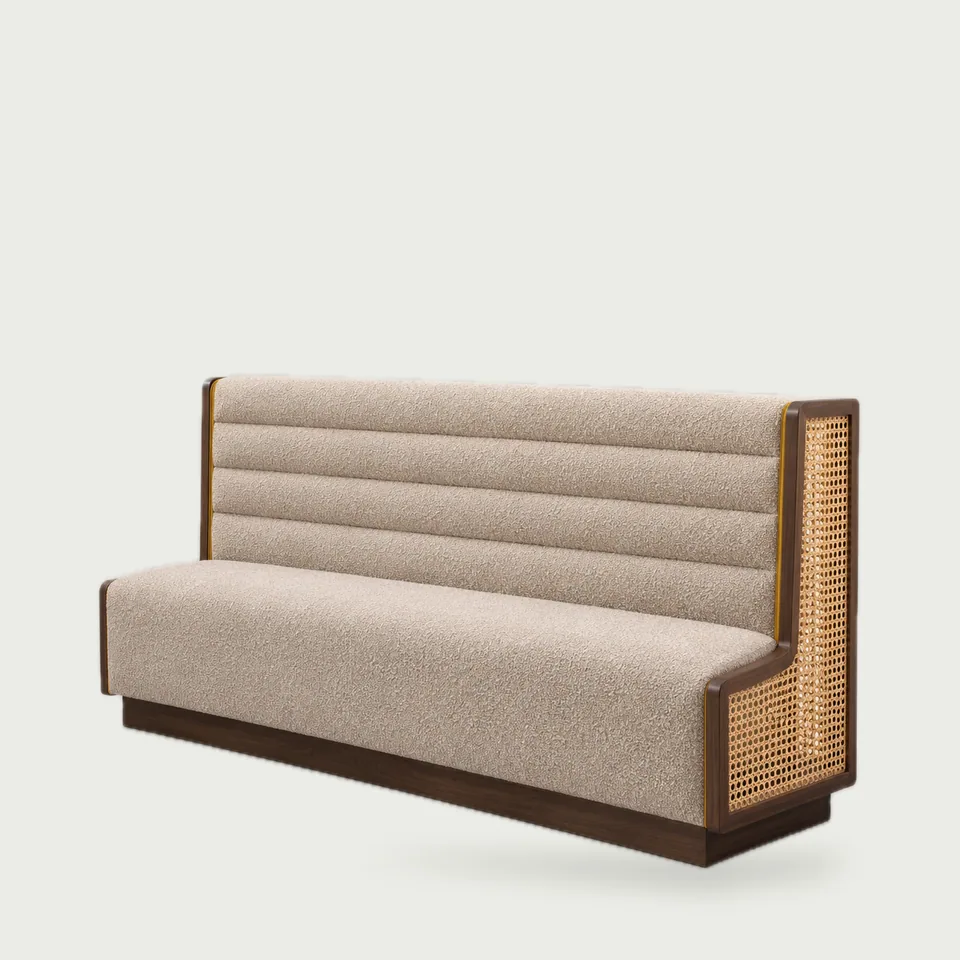
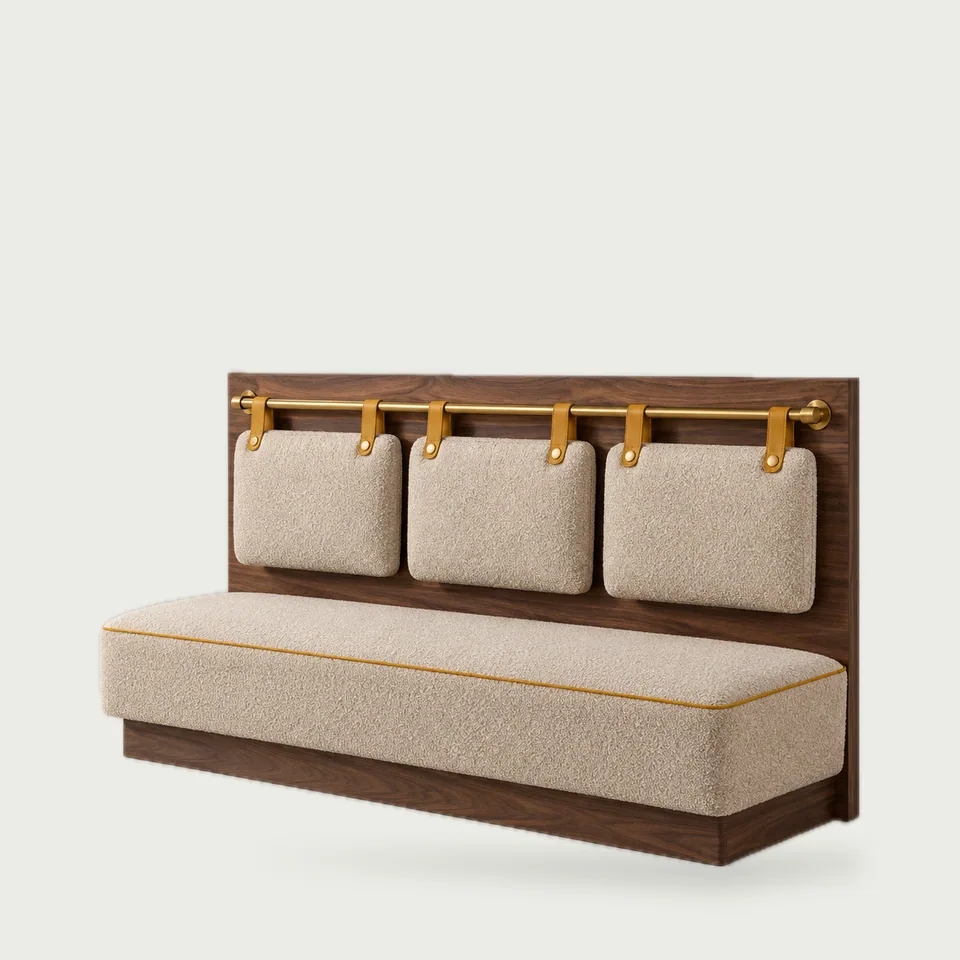
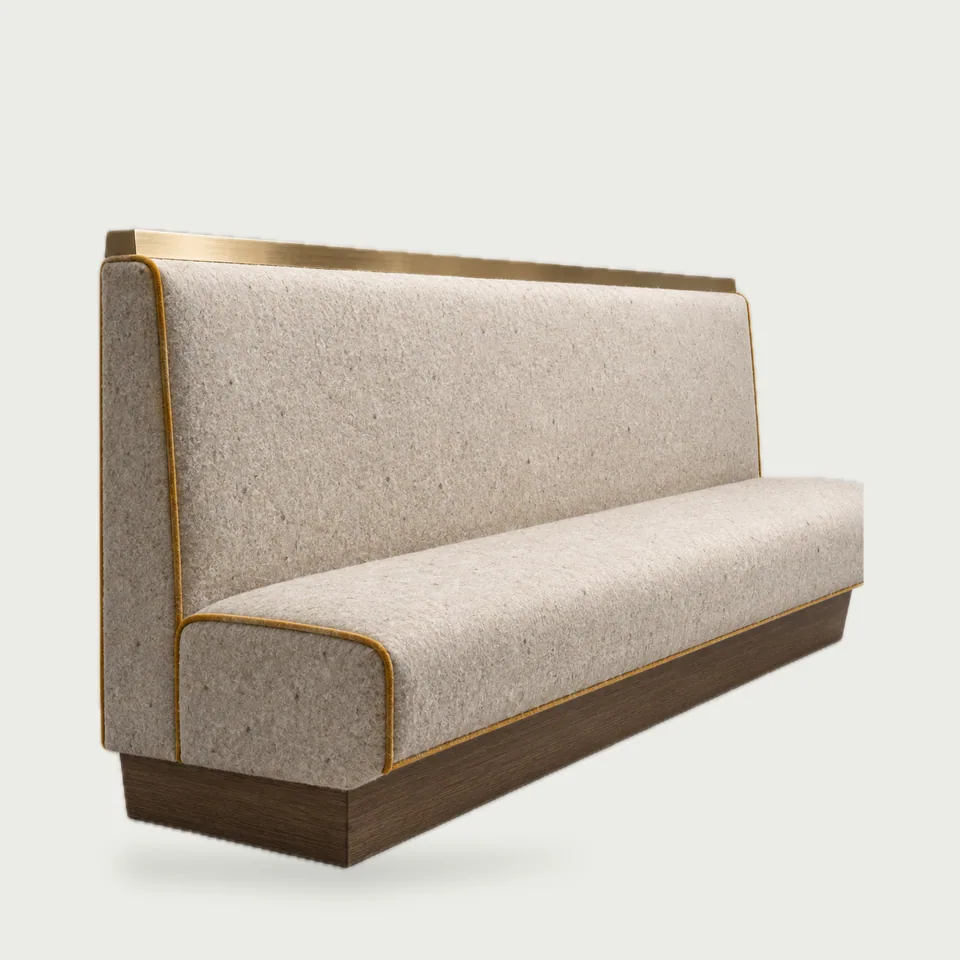
Re-cover the booth. Keep the frame.

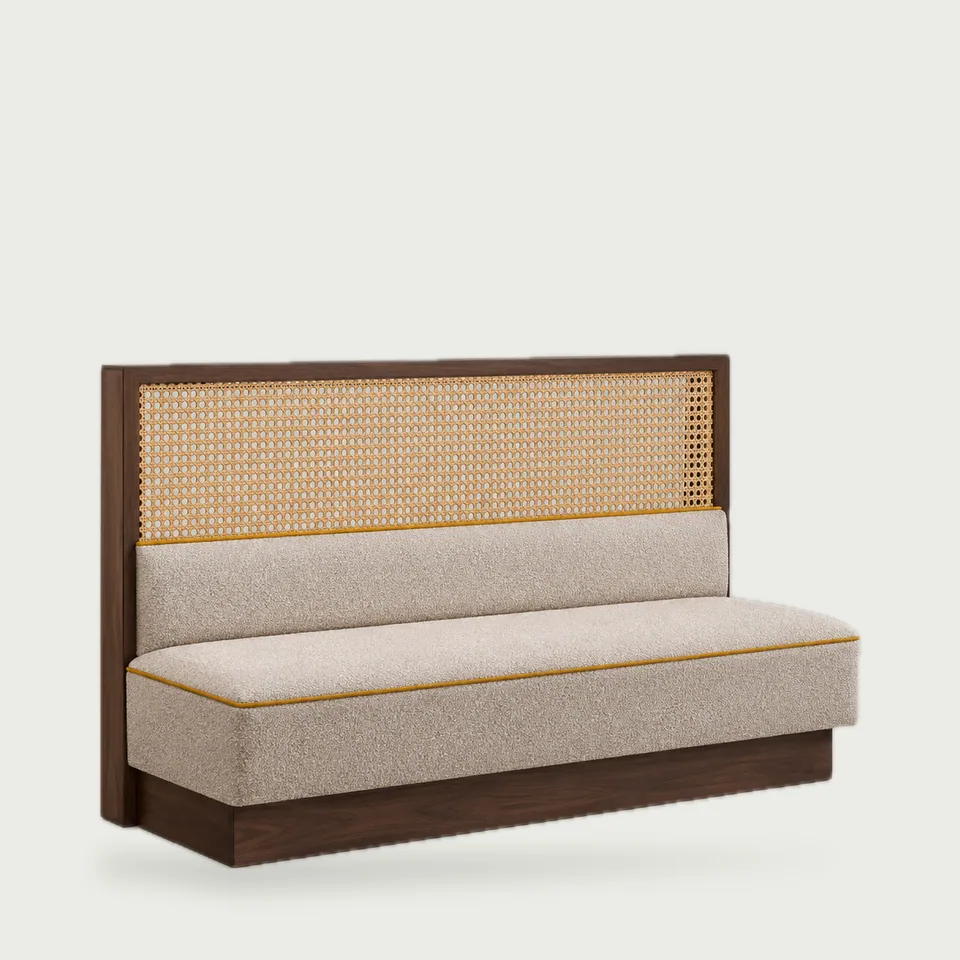
Banquettes and booths with removable covers, replaceable wear parts and bolted frames, so the next refurbishment means new fabric, not a skip.

Re-cover the booth. Keep the frame.
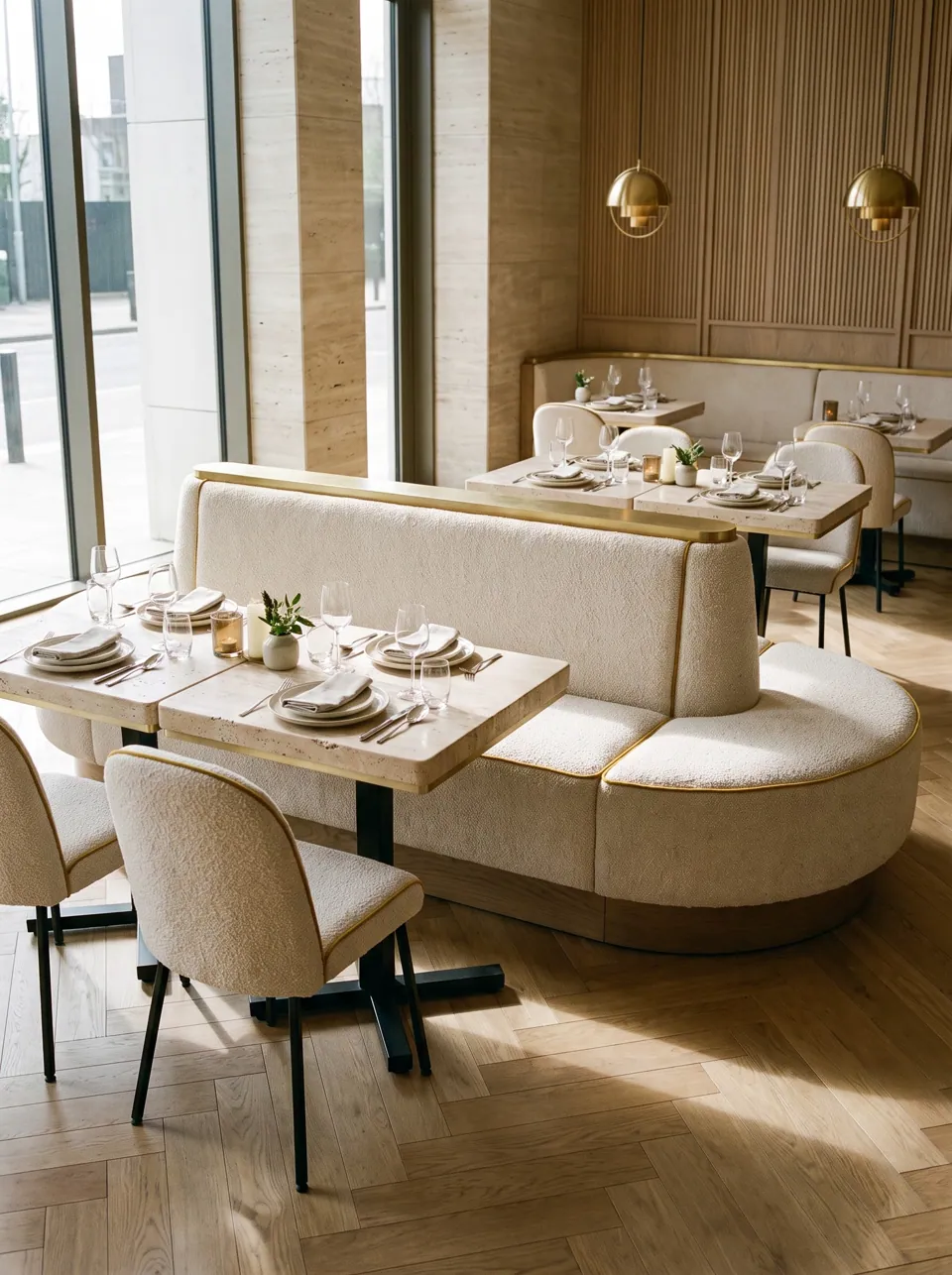
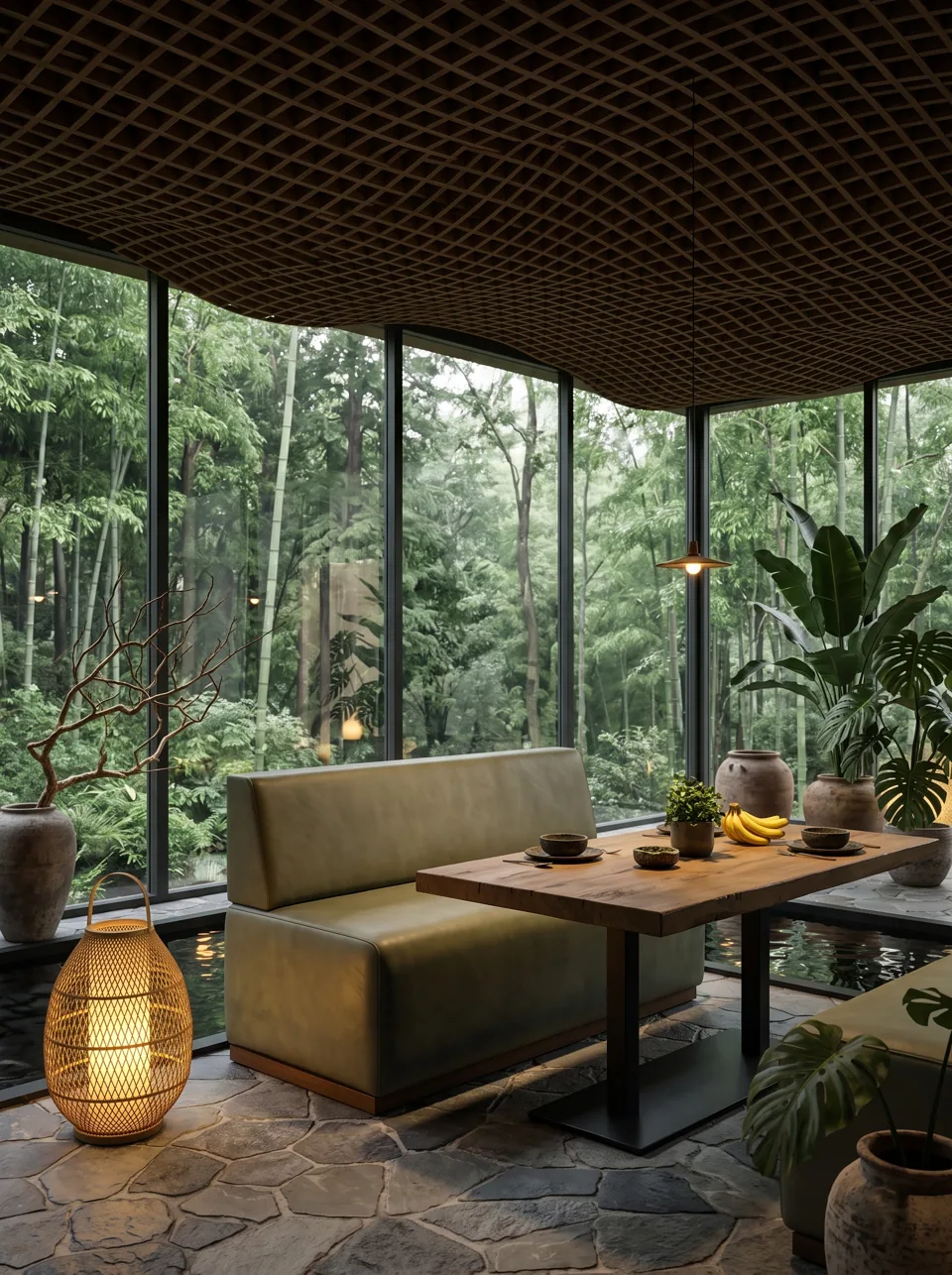
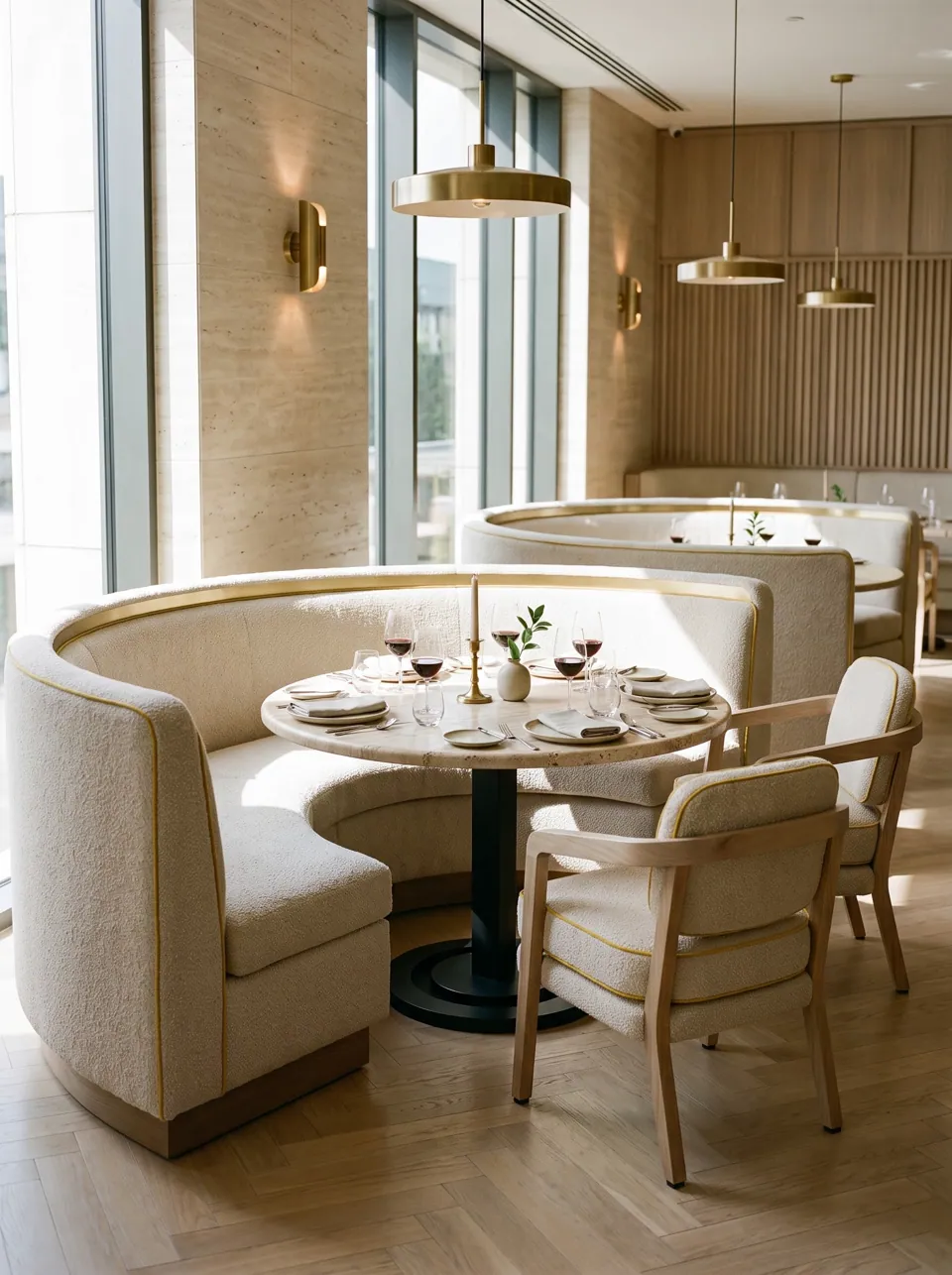
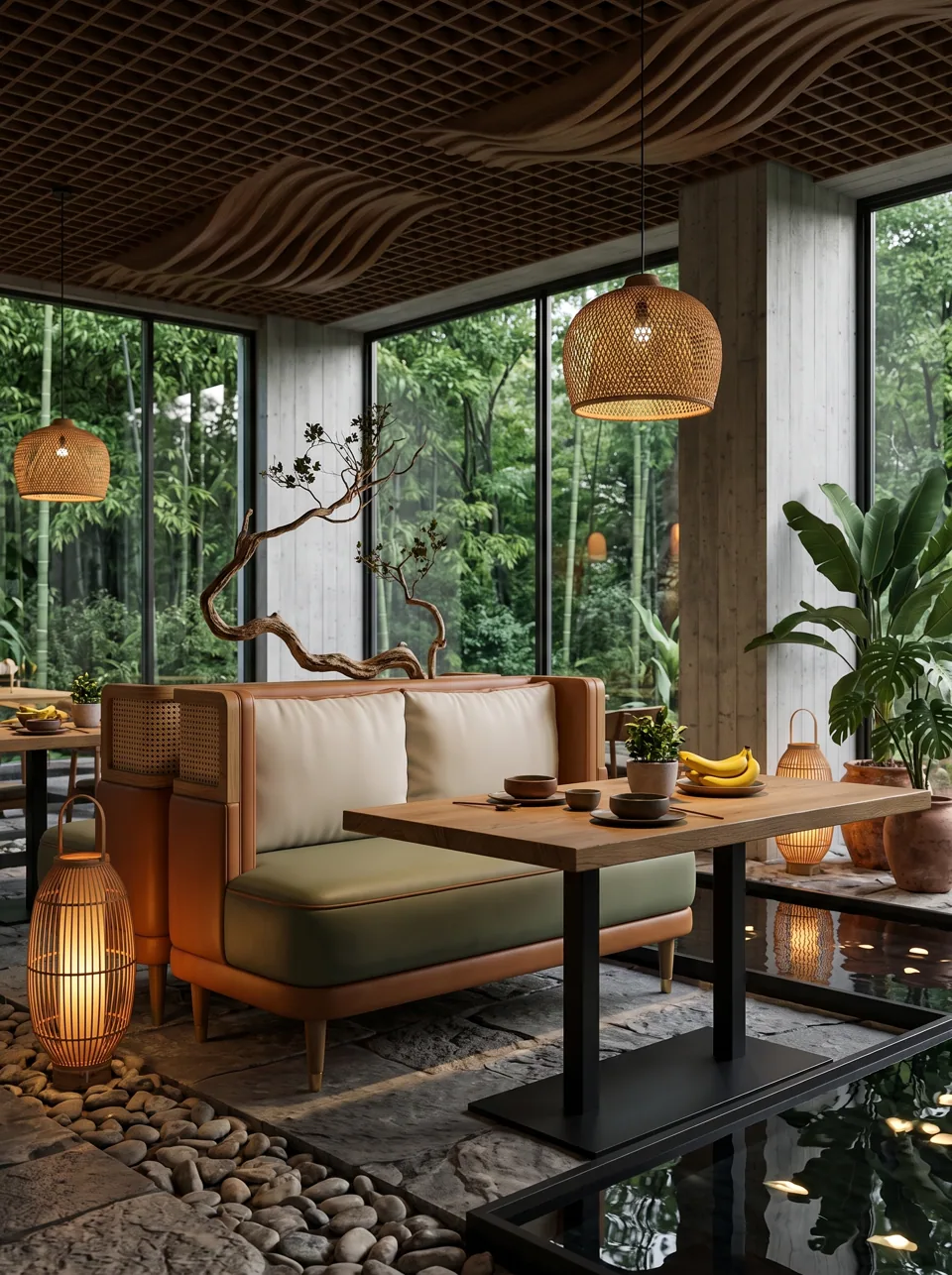
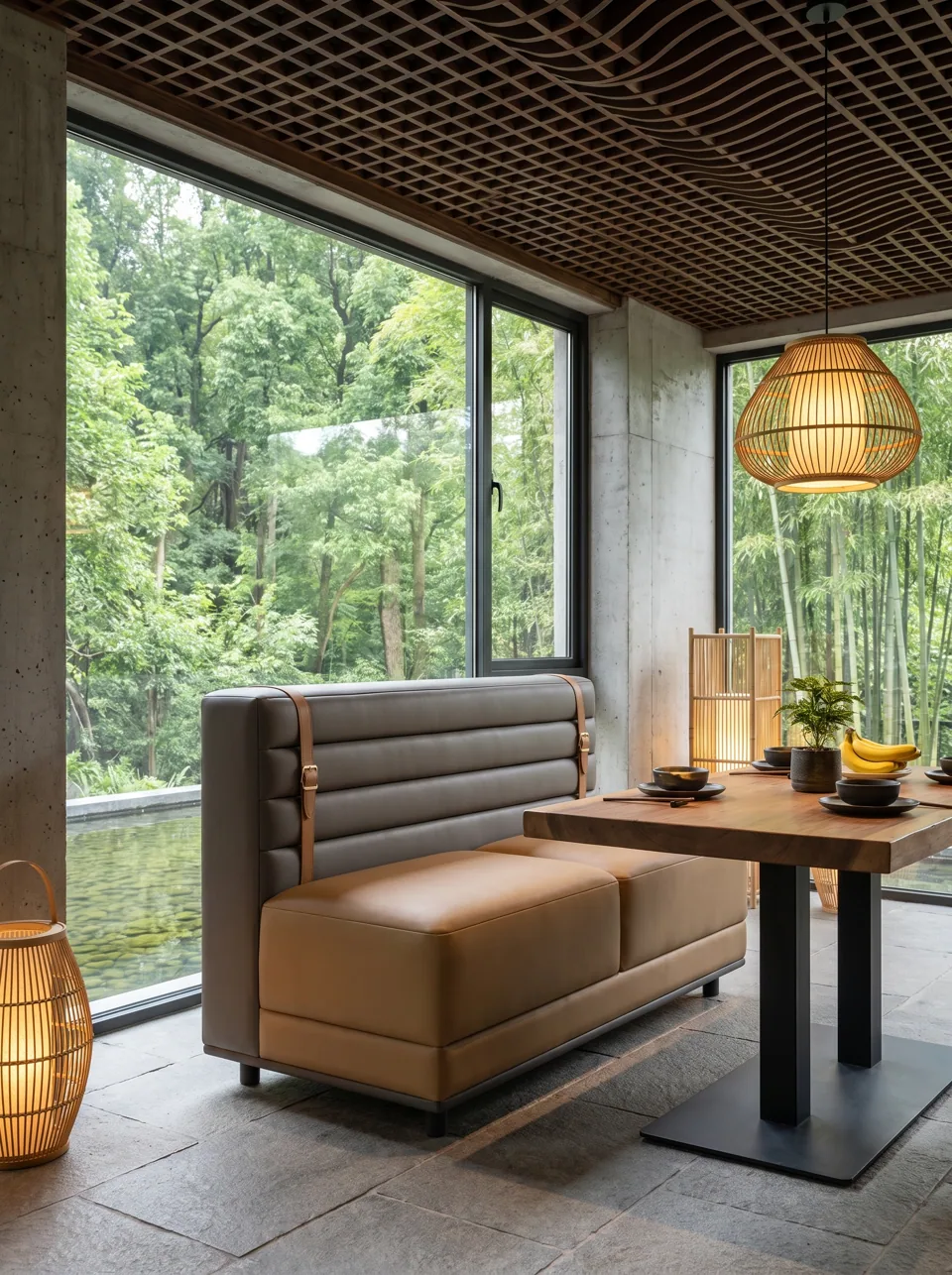
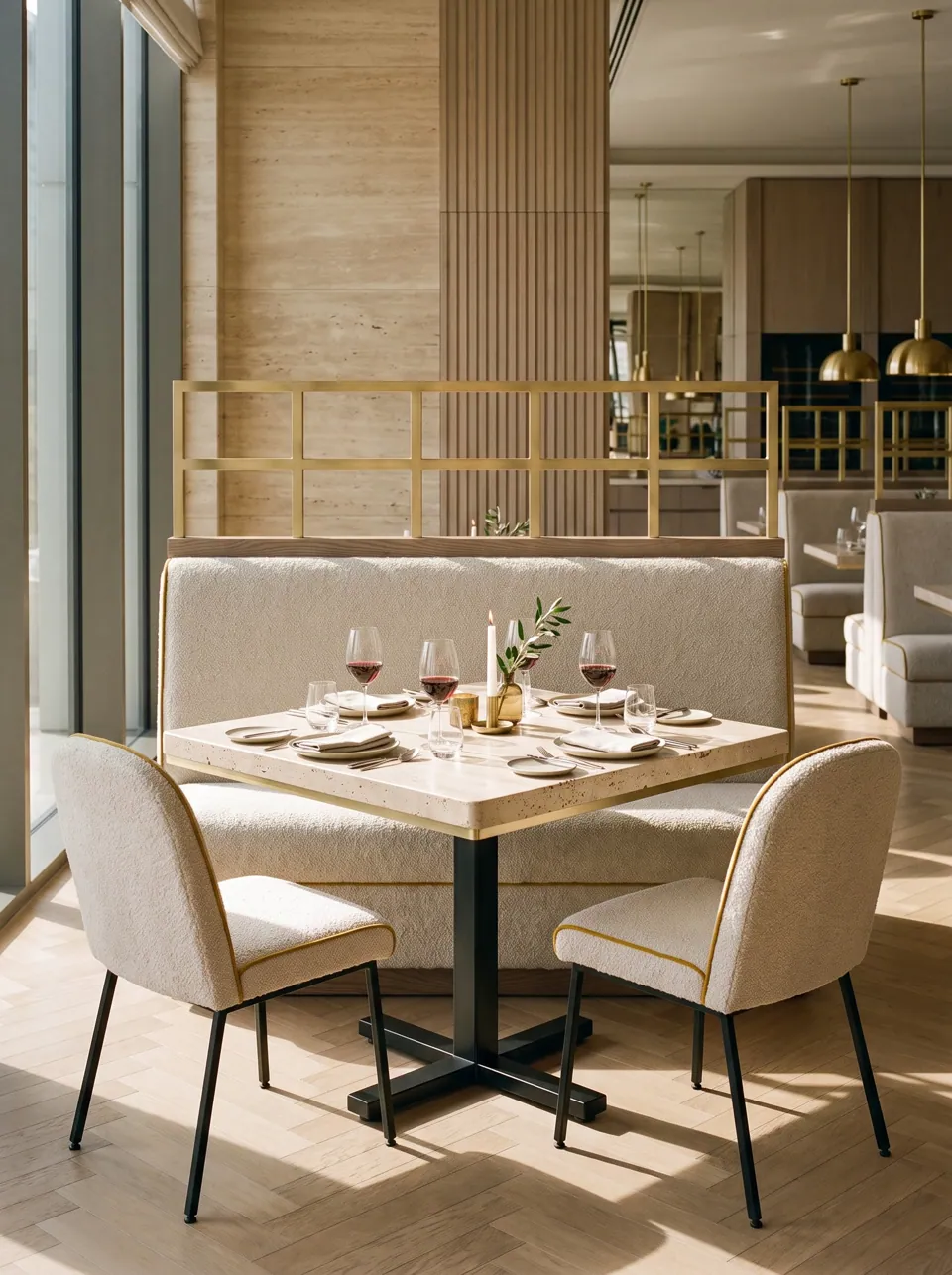
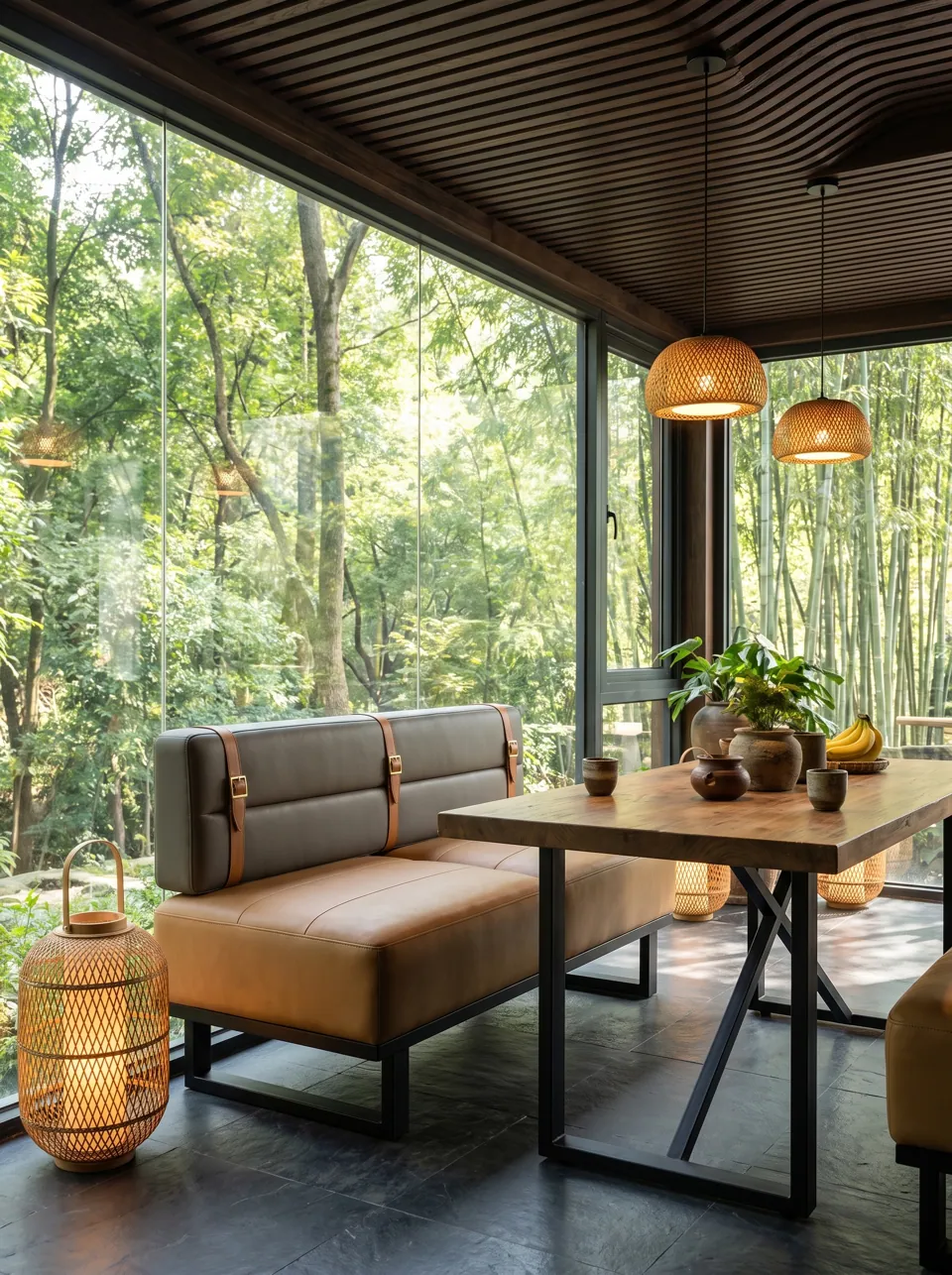
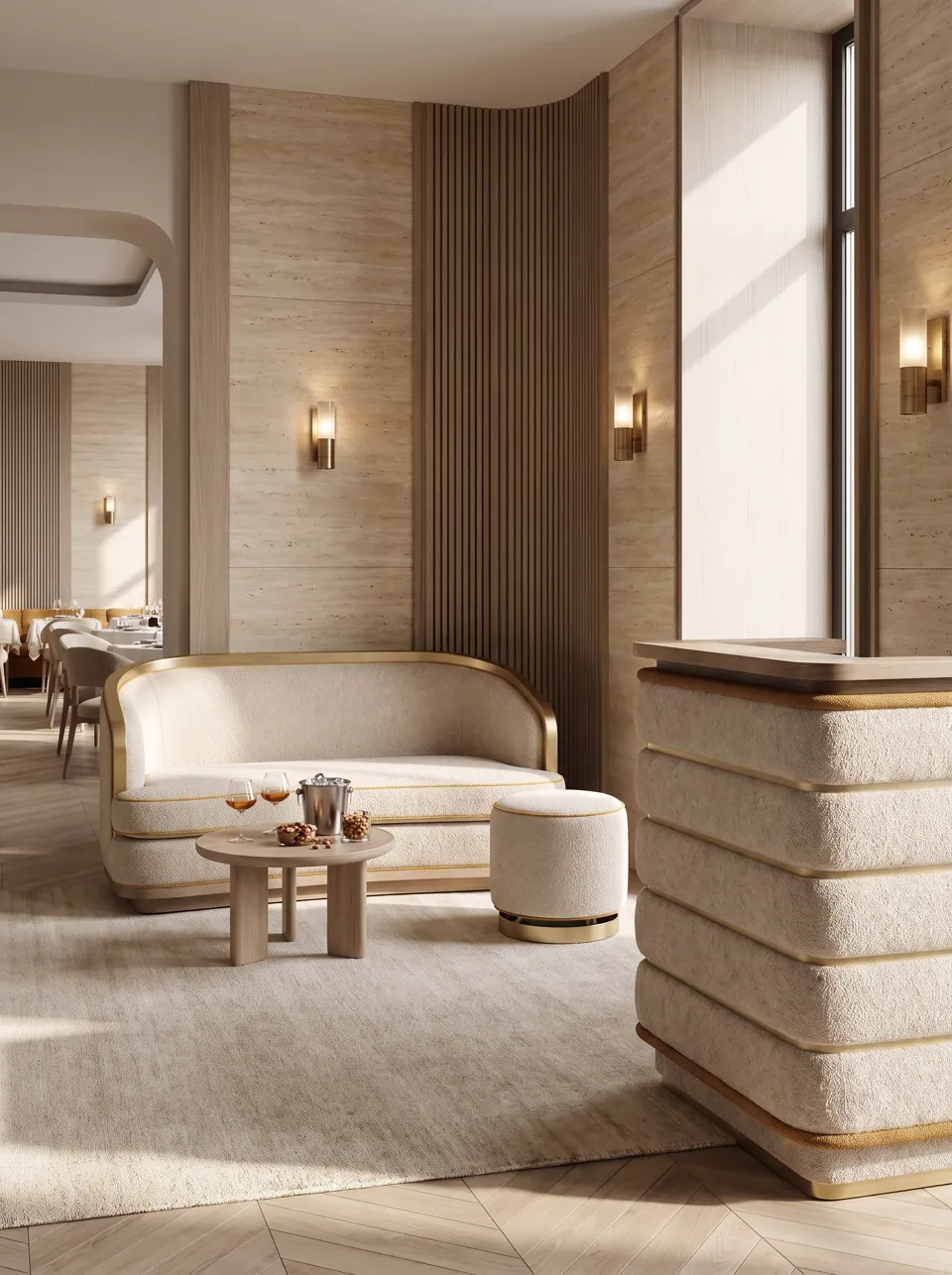
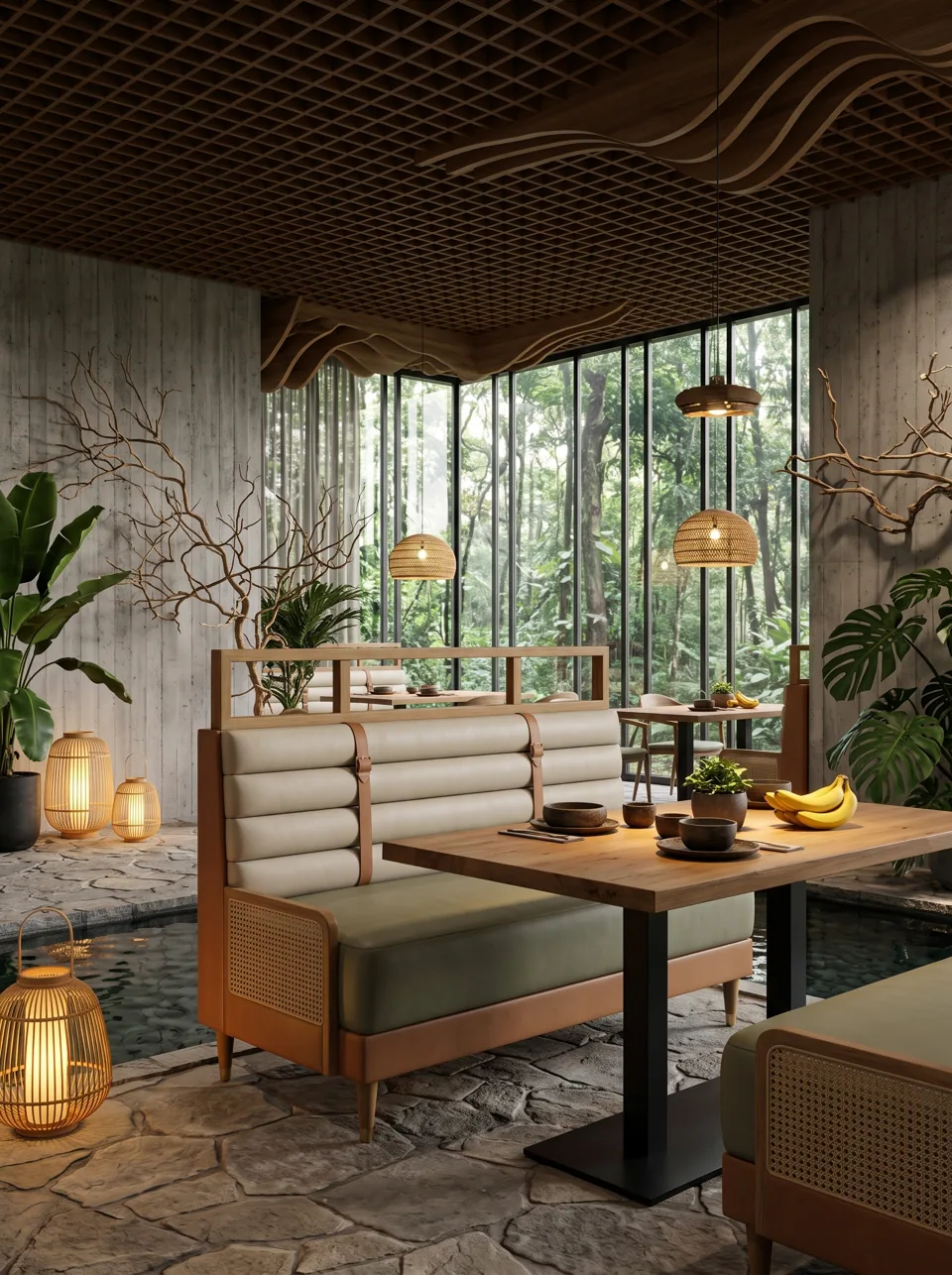
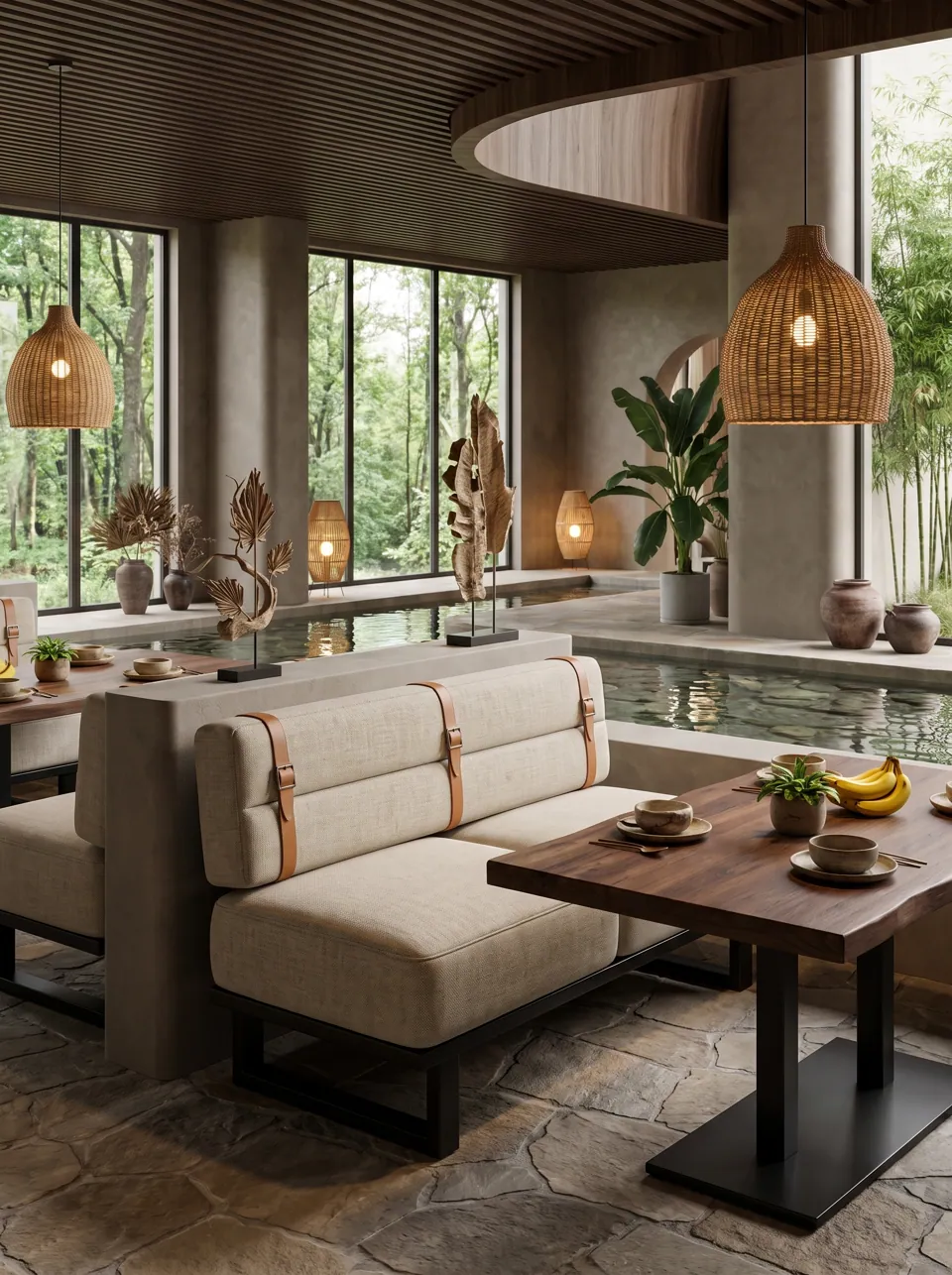
Green Banquette project scene 1
Made in
Foshan, China (own production, Lecong)
Design principle
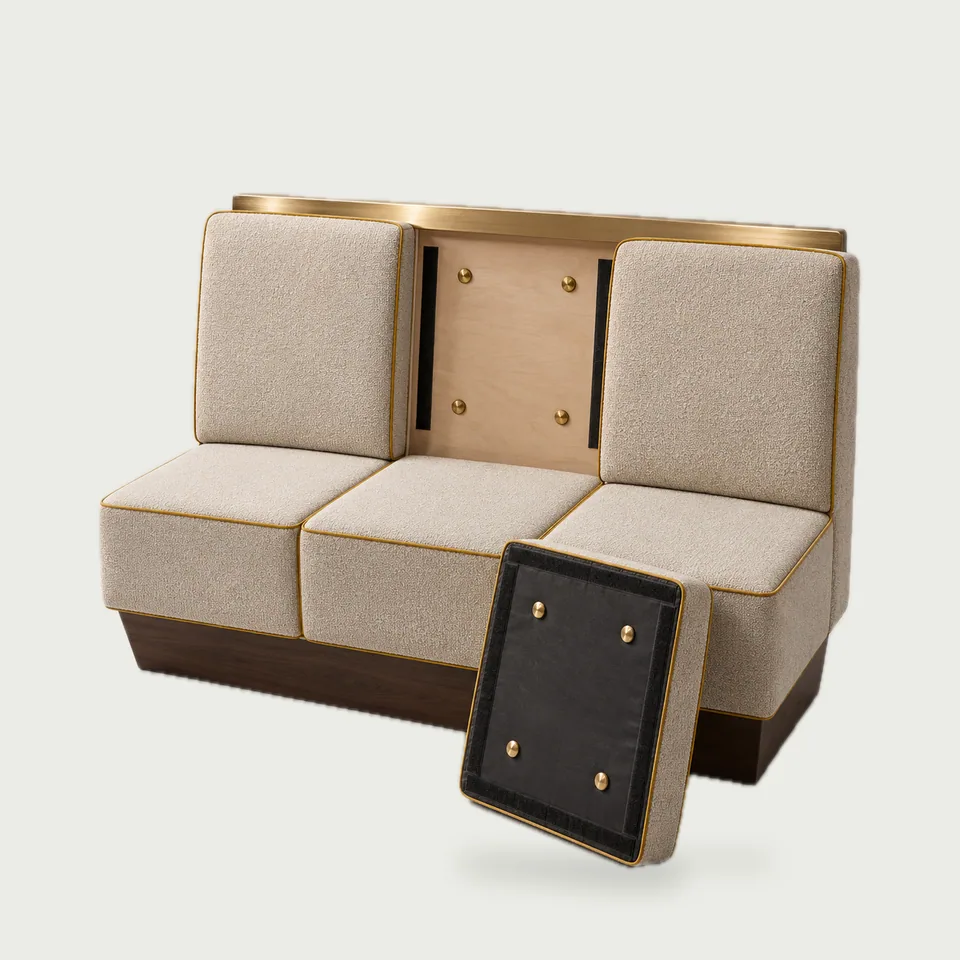
Separable parts: cushions, covers, wear edges and backs come off without cutting or prising glue
Materials offered
Wool, recycled-polyester and other recycled-content fabrics, plant-based leather alternatives, solid timber, bamboo, steel and aluminium frames
Evidence
We pass on supplier data sheets for fibre content and recycled content; we make no claim we cannot document
01Key facts

Green Banquette (a line by EASEN Commercial Furniture) makes restaurant booths and banquettes designed to be re-covered, repaired and reconfigured: removable cushions and covers, replaceable wear edges, bolted or pinned frames, and a choice of wool, recycled-content and plant-based coverings. Everything is made to order in our own production base in Foshan, China, from approved drawings, and shipped factory-direct.

Customisation
Sizes, back heights, coverings (COM accepted), foam and finishes per project
Lead time
Typically 30–45 days for standard designs, 45–60 days for custom work after drawing and sample approval, plus transit; confirmed in each quote
Shipping
Sea freight with consolidated, flat-packed or knock-down sections where the design allows; FOB, CIF or DDP on request
Designed to come apart
01

Designed to come apart

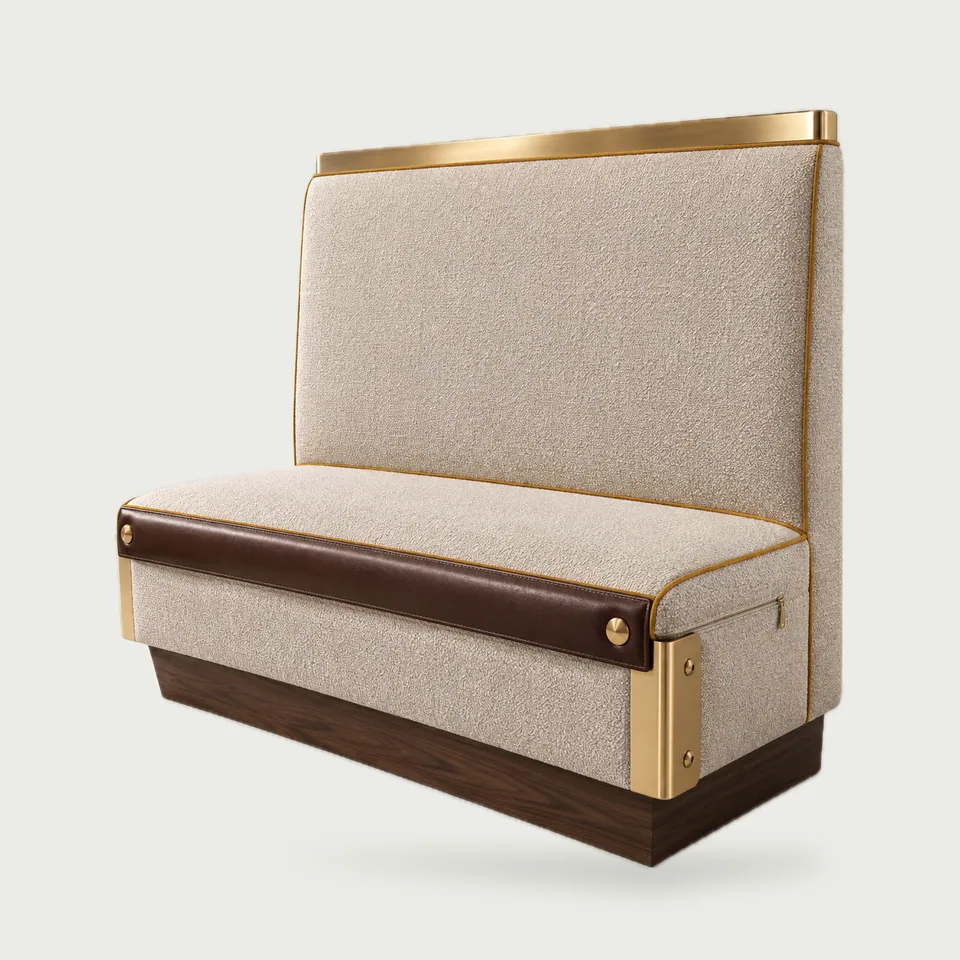
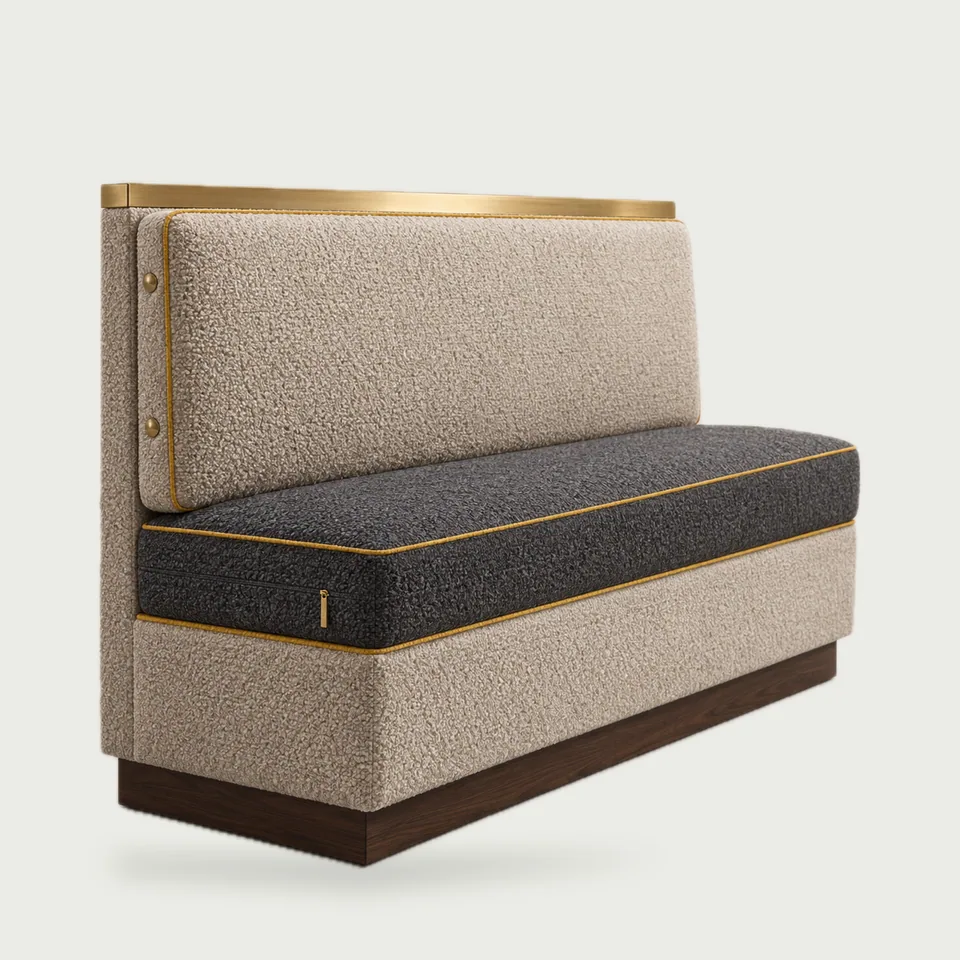
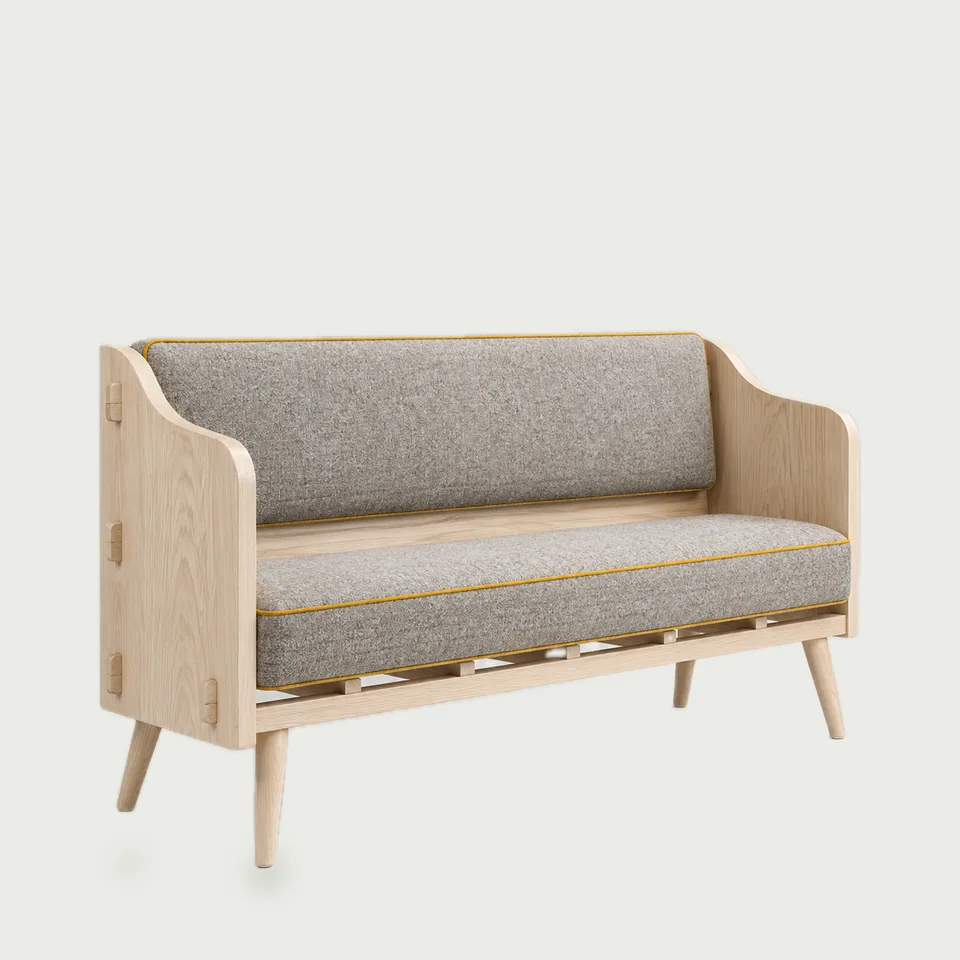
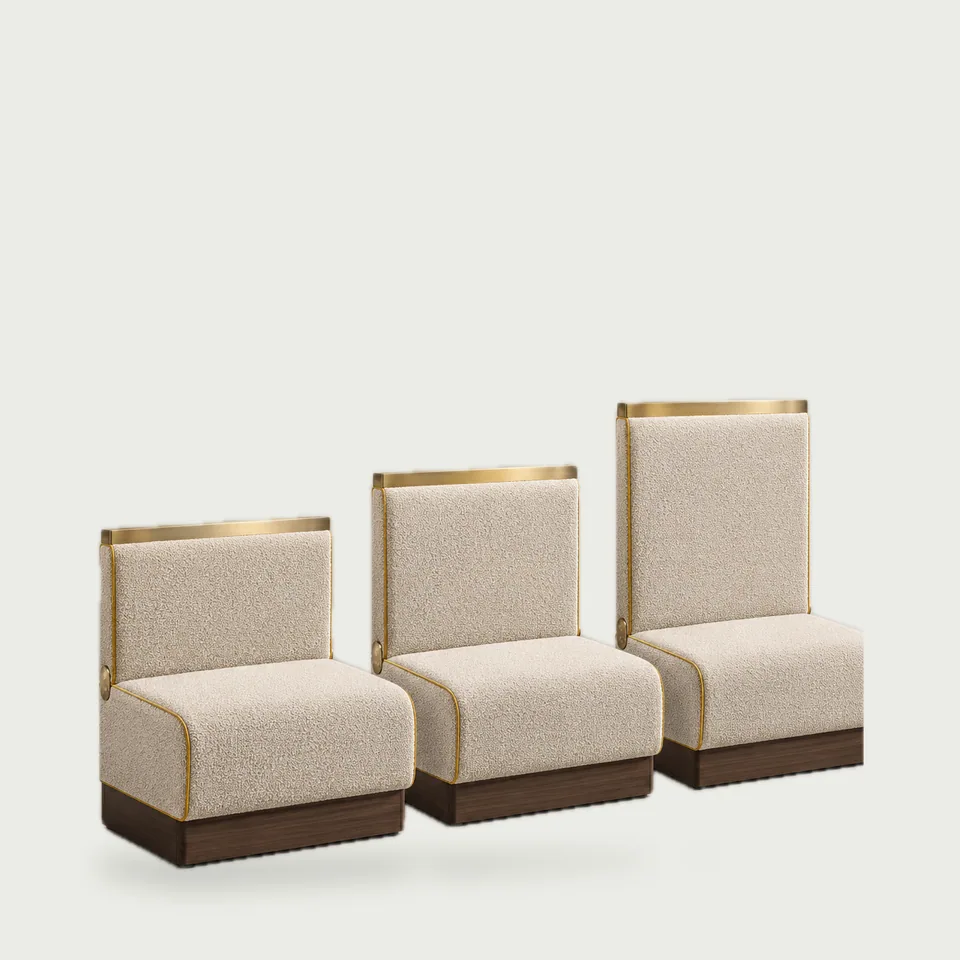
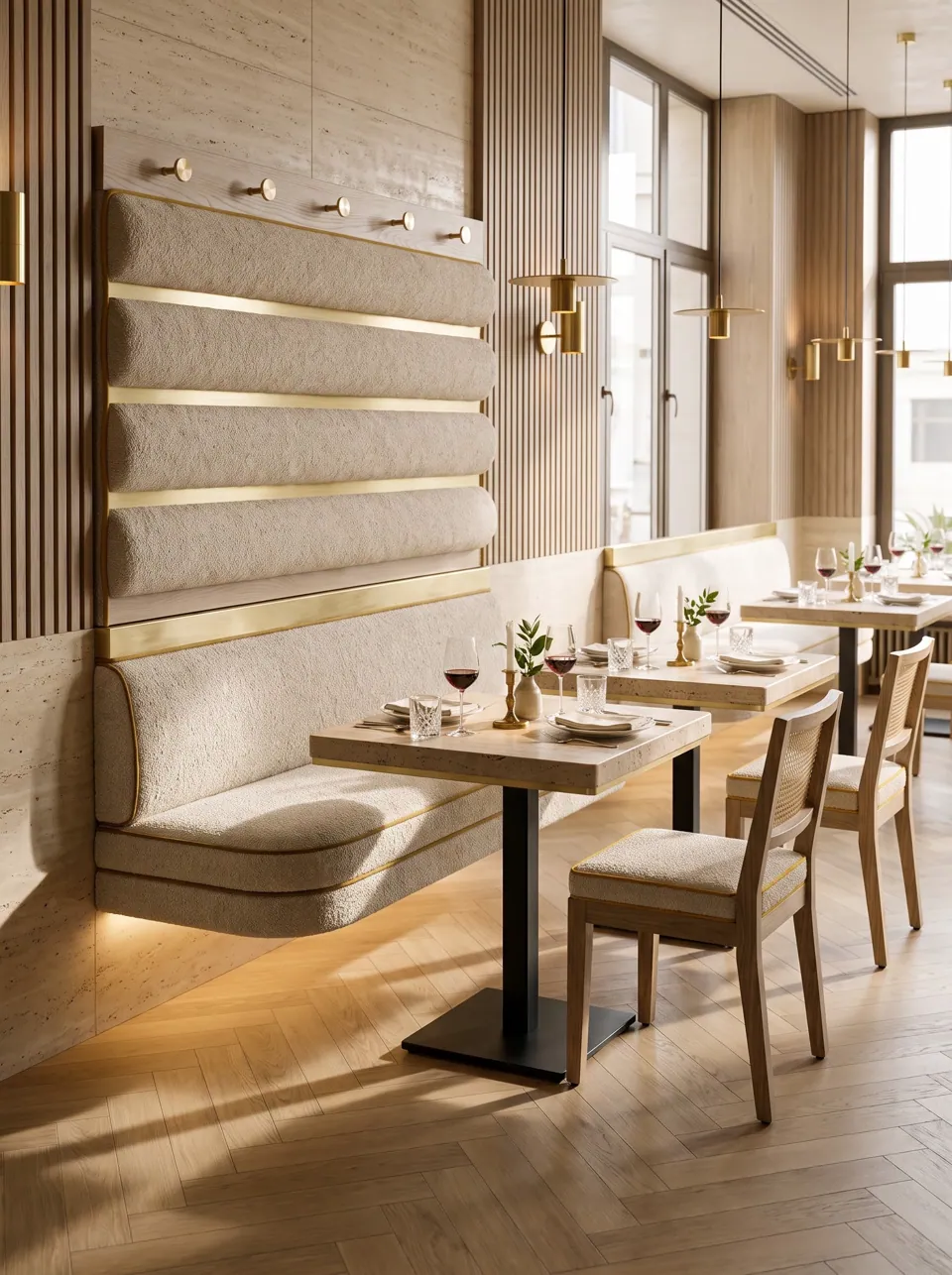
Most restaurant booths are thrown away because one part wore out: a scuffed front edge, a torn seat, a stained back. Ours separate. Cushions clip or zip off, front edges and end guards unclip, backs unbolt from seat boxes. You replace the part that failed and keep the rest in service.
Materials you can verify
02

Materials you can verify

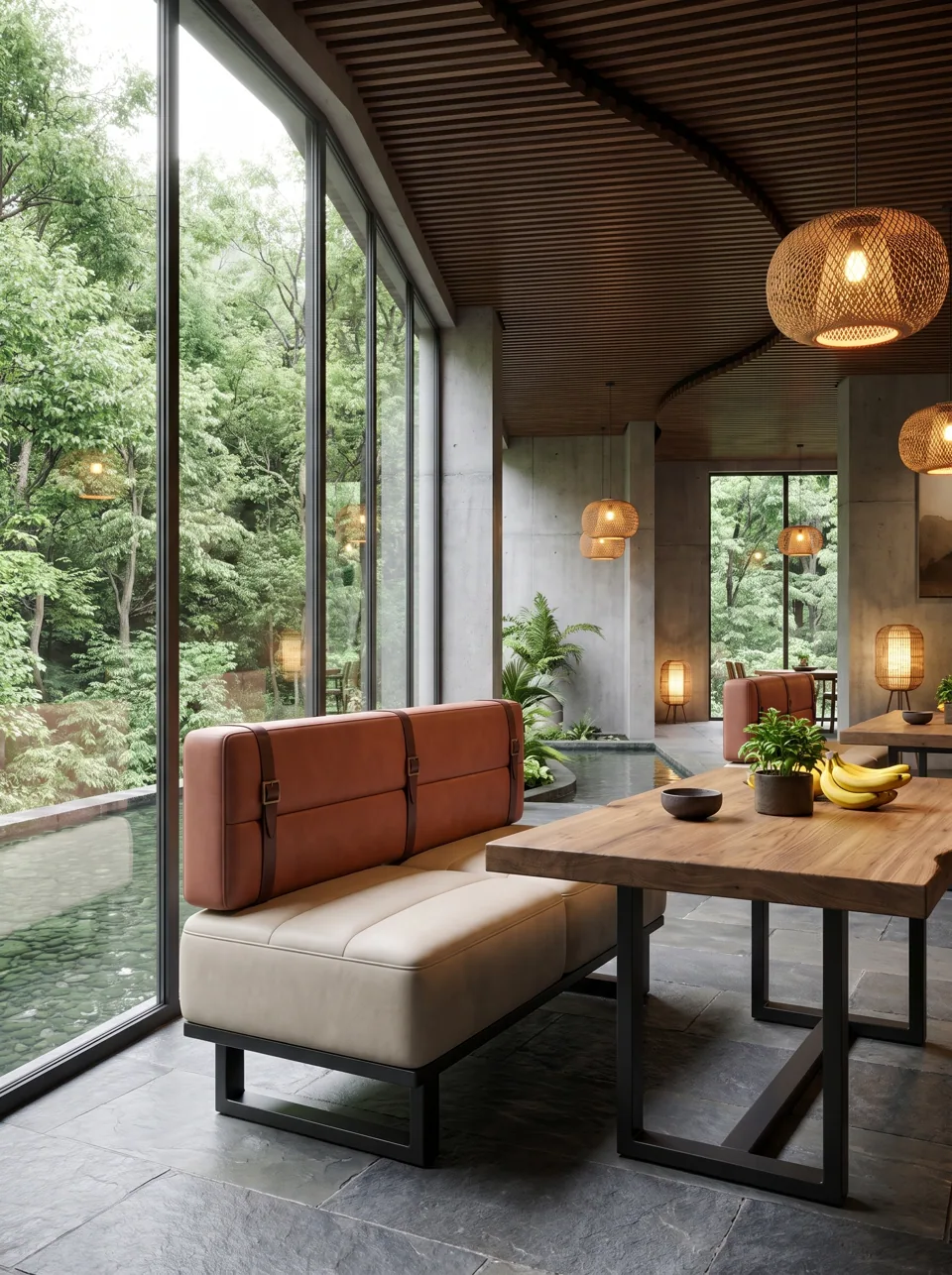
Wool, recycled-content polyester, recycled denim, cork, natural latex with coir and solid timber are all available. For each one we tell you what it is and what it is not, and we pass on the supplier's data sheet for fibre content, recycled content and fire testing, so your own claims stand up.

Frames that bolt, not glue
03

Frames that bolt, not glue

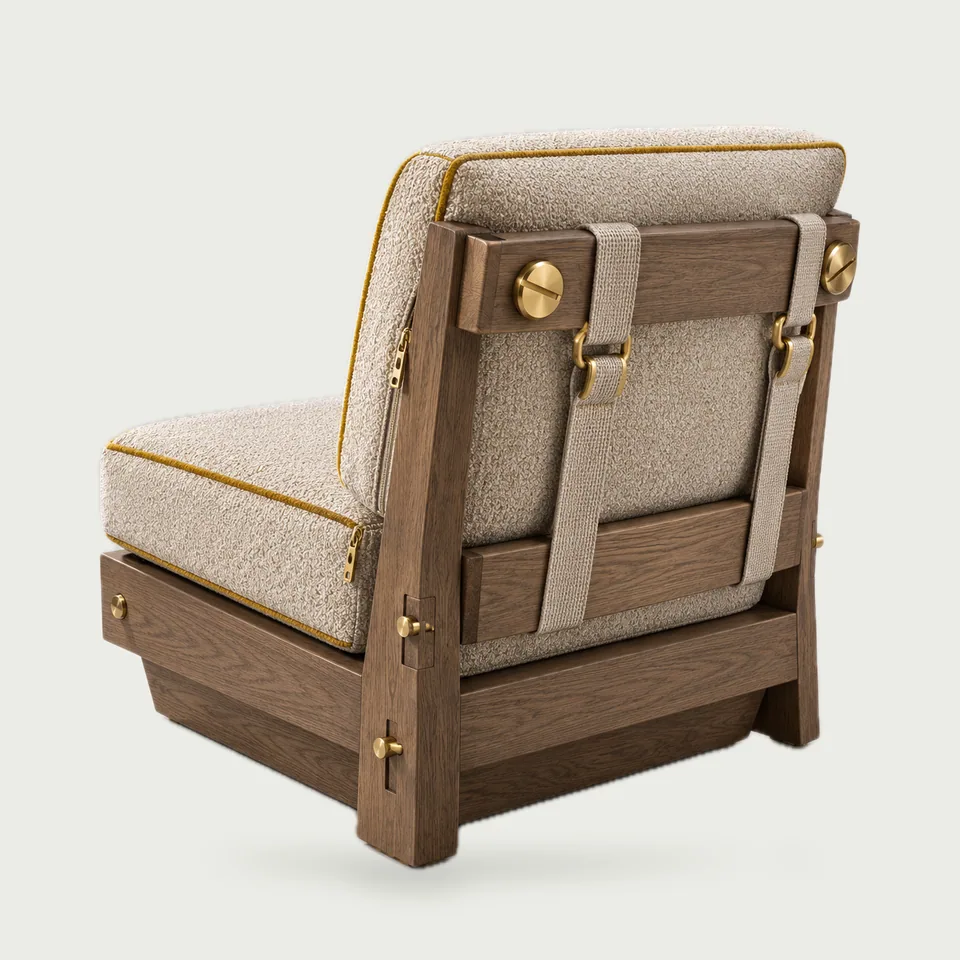
Steel, aluminium and timber frames join with bolts, pins and visible connectors instead of welds or glue-only joints. That makes them easier to ship flat, assemble on site, repair if damaged in transit and, eventually, separate by material at end of life.

04How we work
  1. 1

    Brief and priorities

    Tell us the room, seat count and which outcomes matter most: longer service life, easier re-covering, specific materials or lower shipping volume. We suggest designs that address those priorities directly.

  2. 2

    Drawings and parts list

    Shop drawings show every separable part: cushions, covers, wear edges, backs and fixings, with part numbers so replacements can be ordered later without guesswork.

  3. 3

    Materials and evidence

    We confirm coverings, foam and timber, check fire requirements for your market, and collect supplier data sheets for fibre and recycled content before production.

  4. 4

    Sample and production

    A pre-production sample on request, then production in Lecong: typically 30–45 days for standard designs and 45–60 days for custom work after approval.

  5. 5

    Pack, ship, maintain

    Knock-down or flat-packed where the design allows, crated and labelled. You receive the parts list and care notes so future covers and wear parts can be ordered by reference.

05In the room
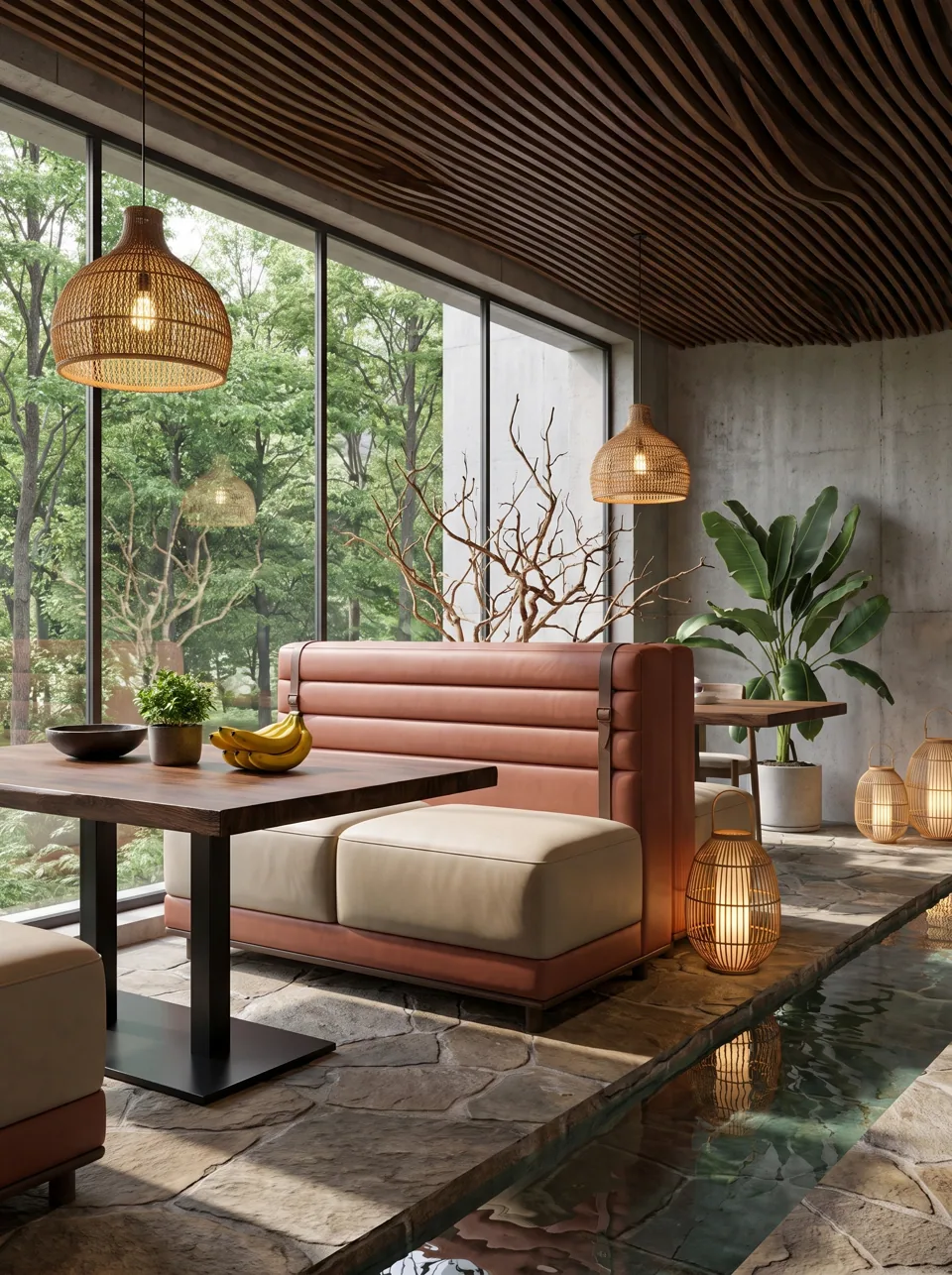
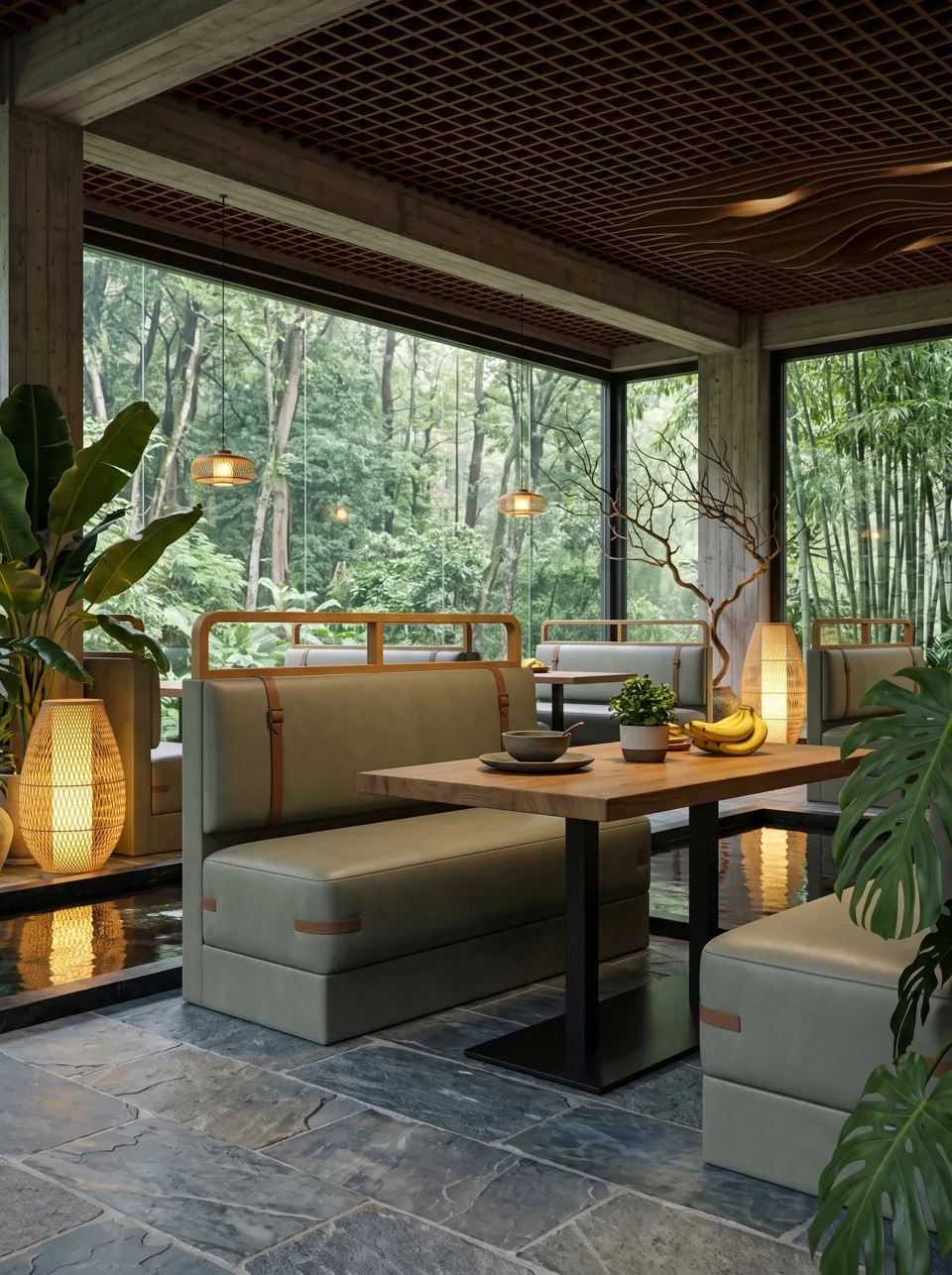
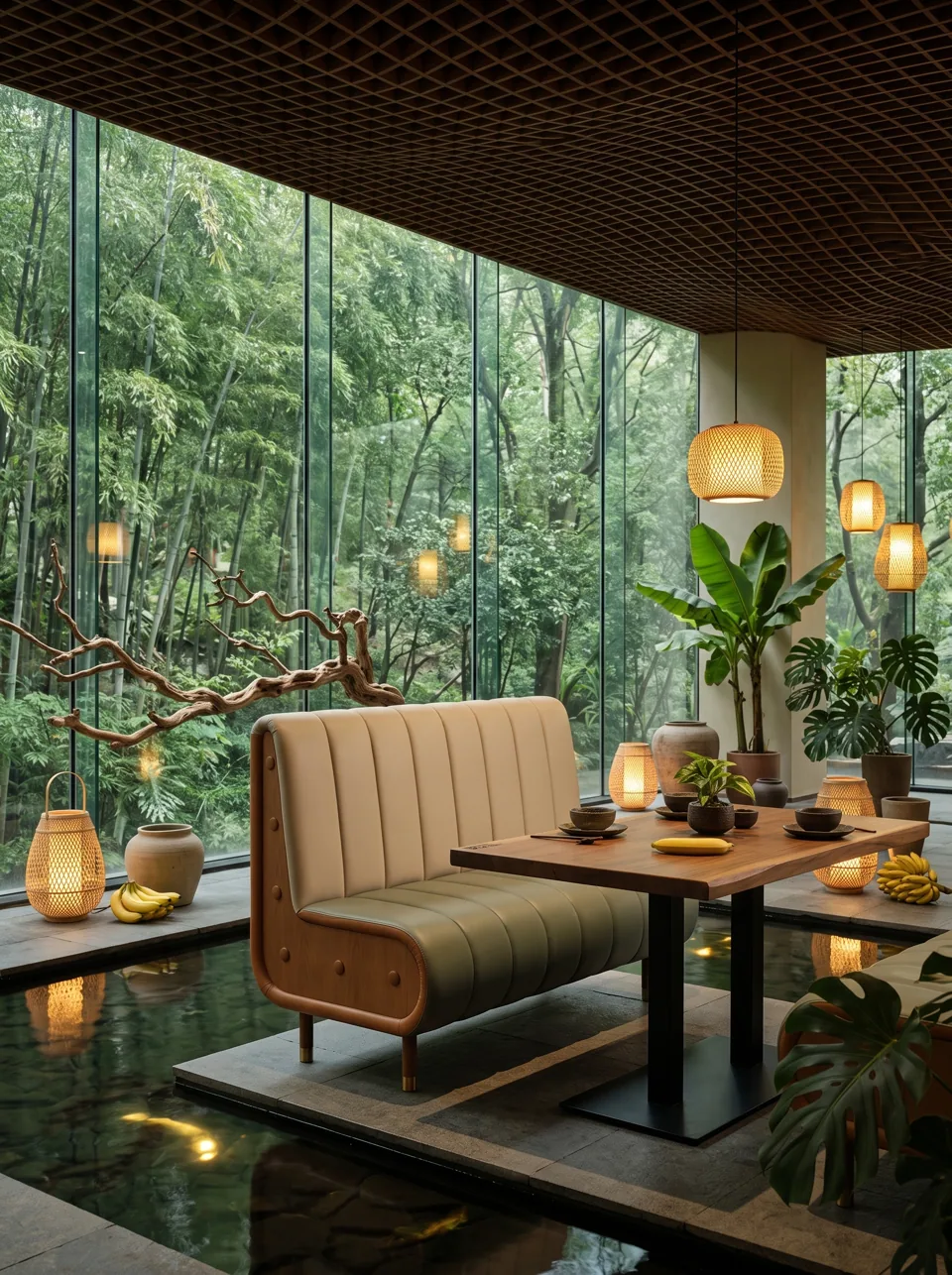
Green Banquette project scene 2
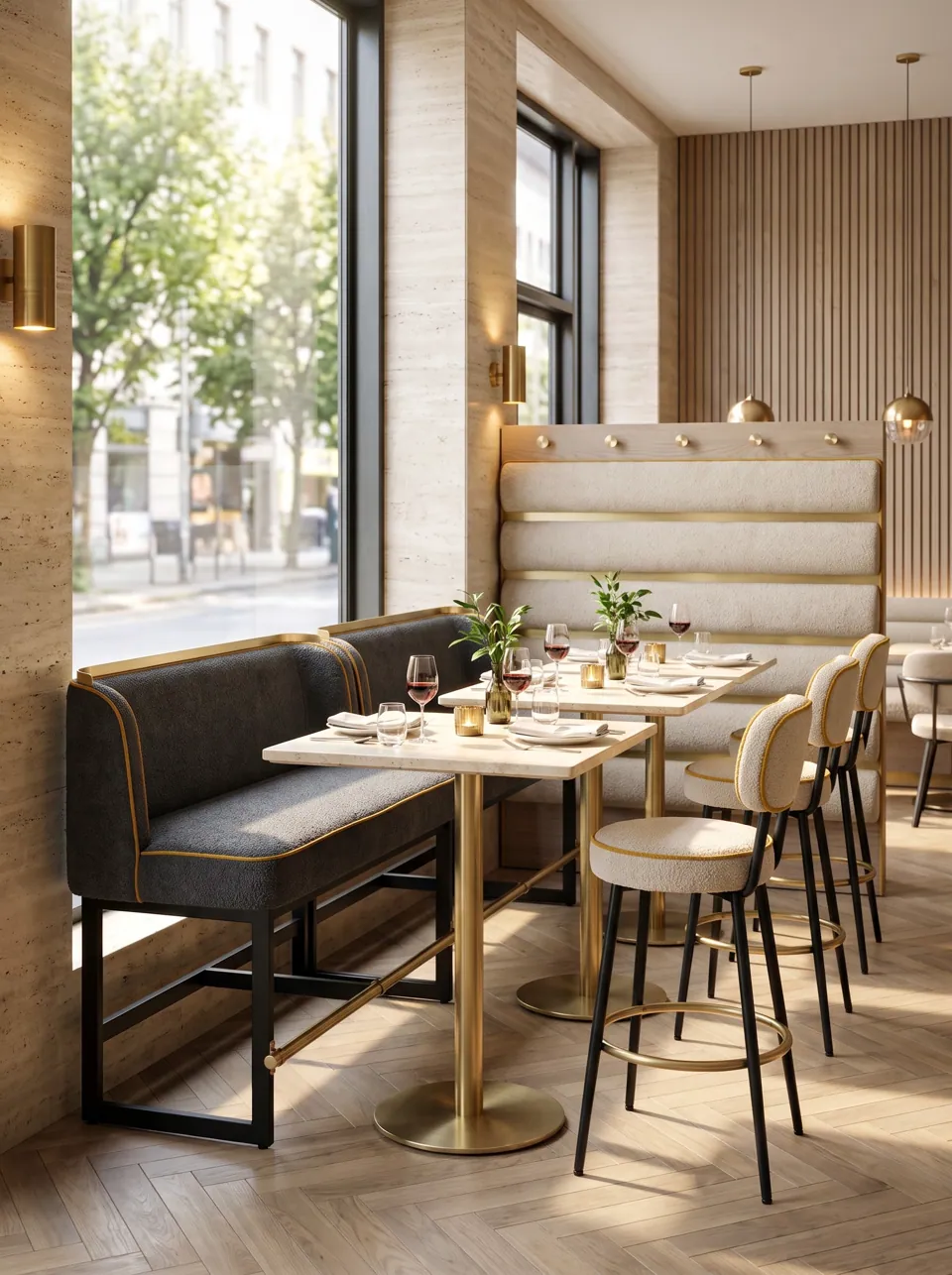
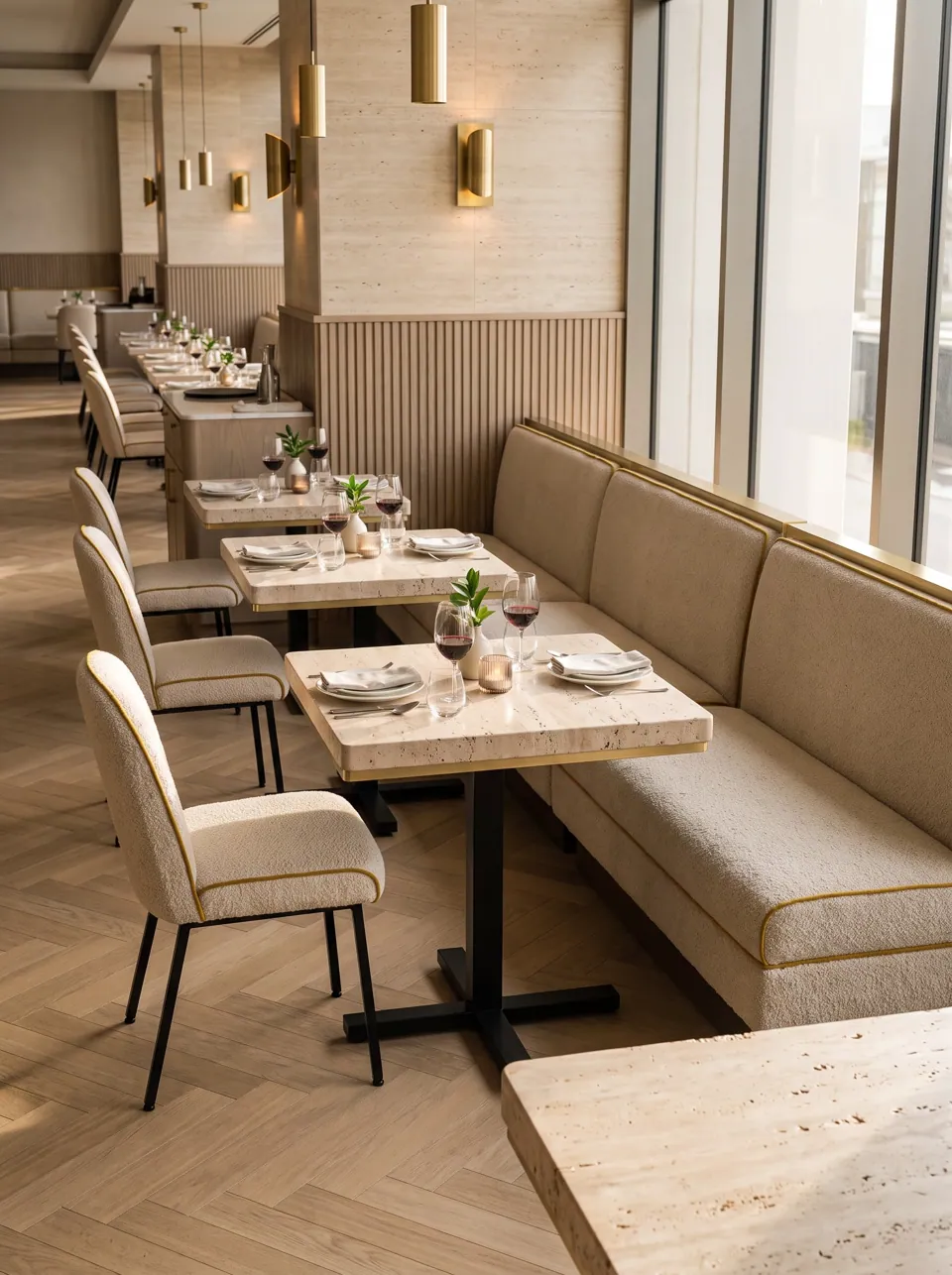
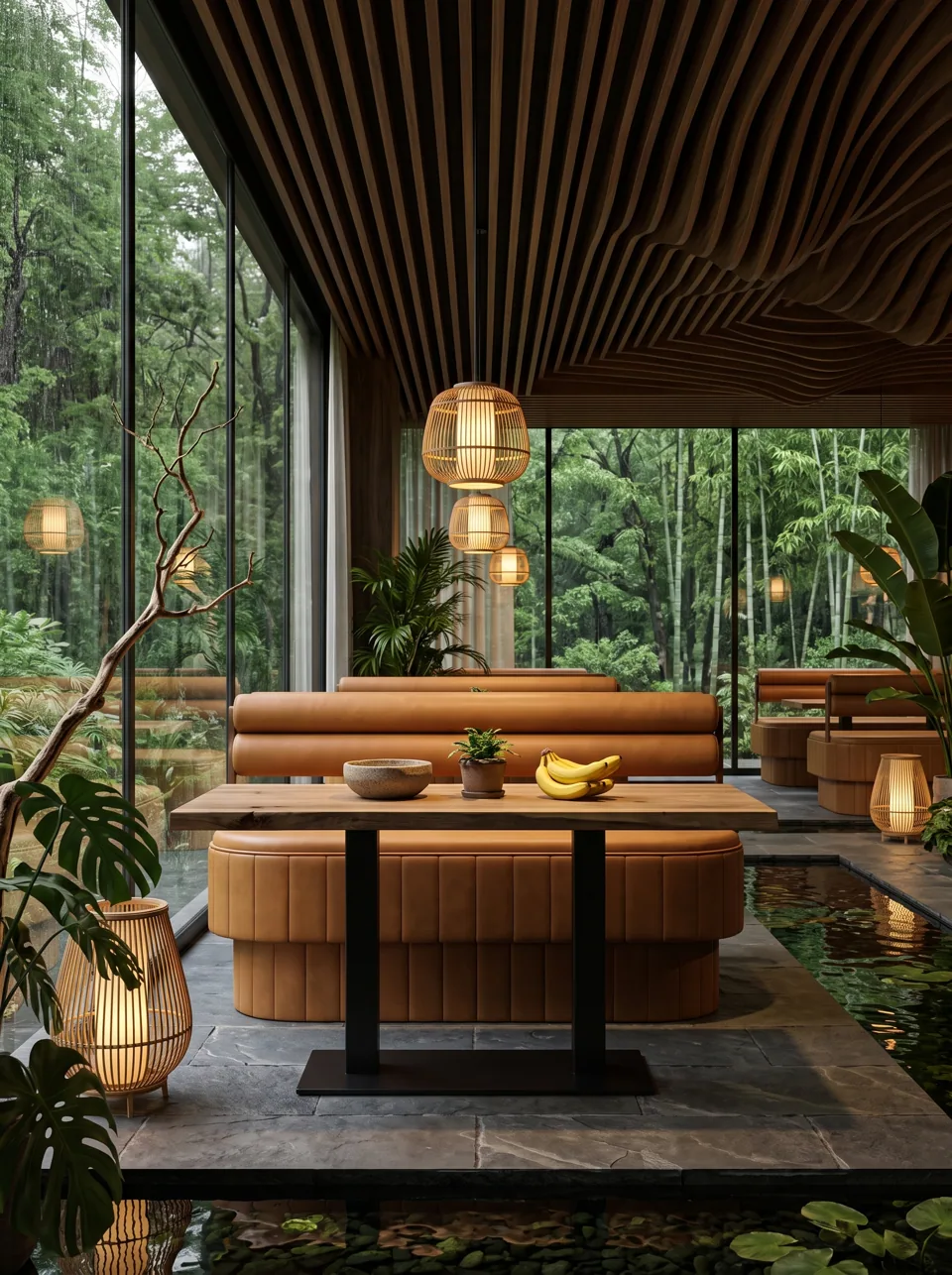
Green Banquette project scene 3
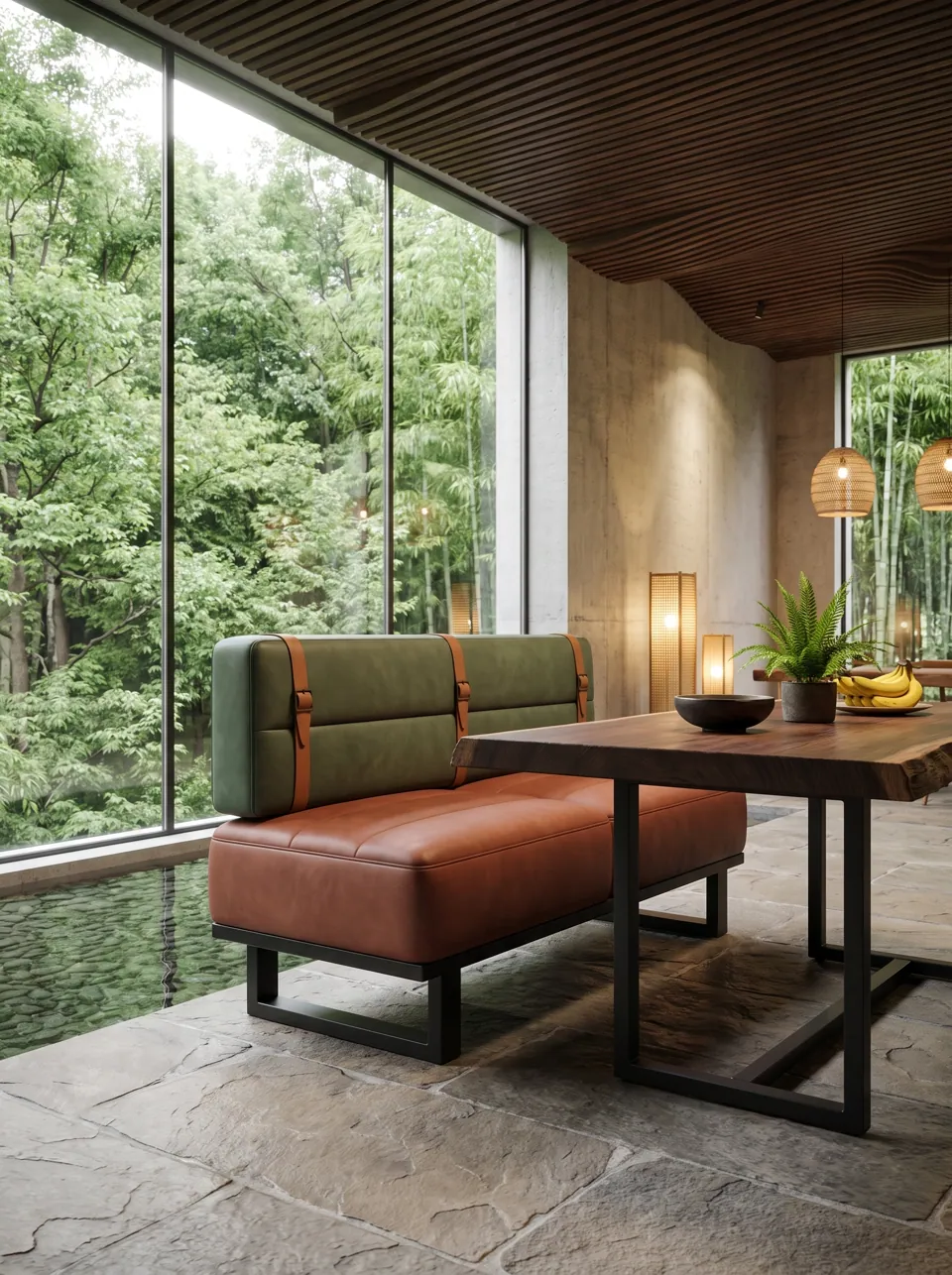
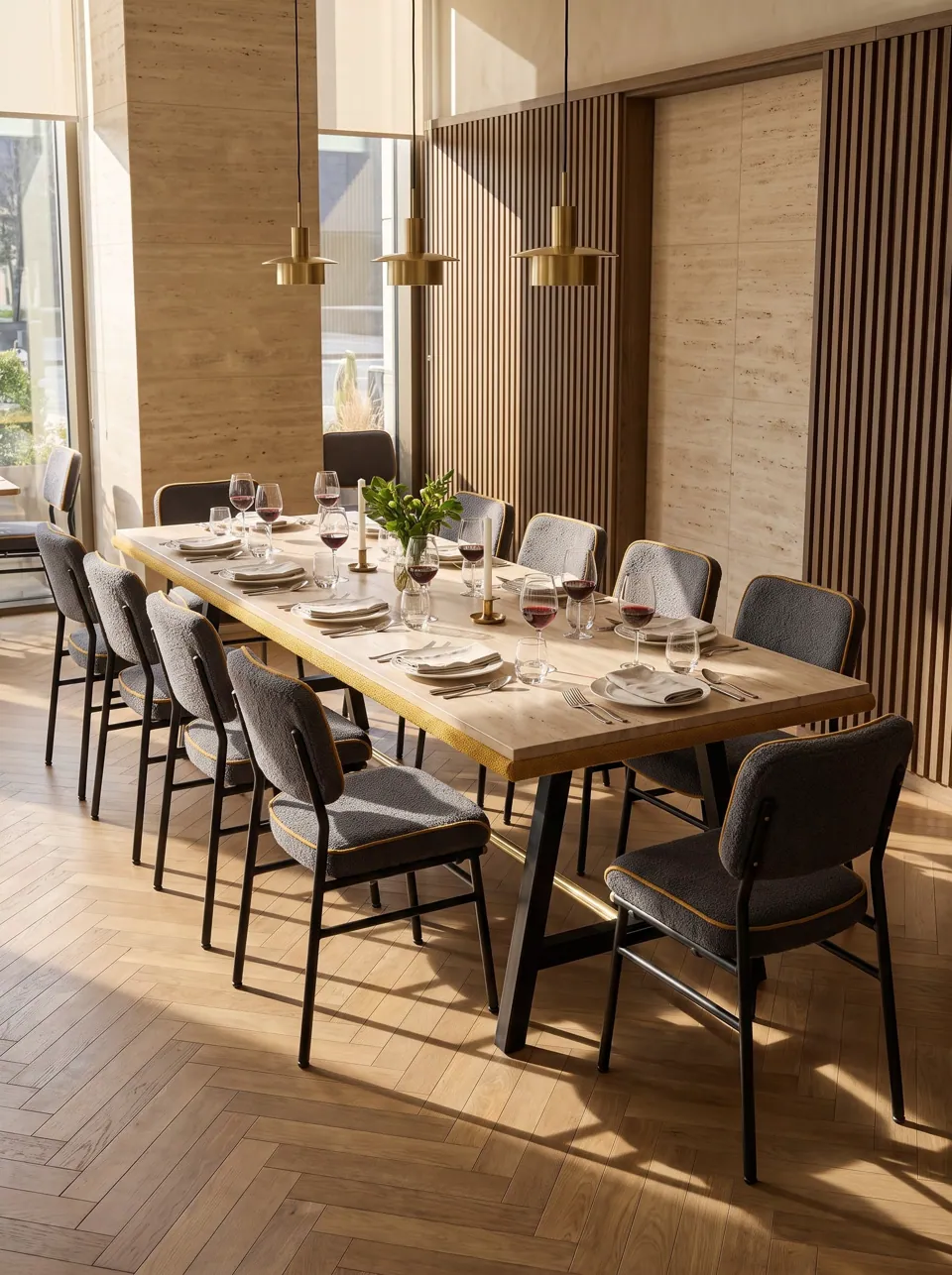
Green Banquette project scene 4
Green Banquette project scene 5
Green Banquette project scene 6
Green Banquette project scene 7
Green Banquette project scene 8
Green Banquette project scene 9
Green Banquette project scene 10
Green Banquette project scene 11
Green Banquette project scene 12
Green Banquette project scene 13
07FAQ
What makes a restaurant booth repairable?

A repairable booth is built from separable parts: cushions and covers that zip, clip or strap off; wear parts such as seat front edges and end guards that can be replaced individually; and frames joined by bolts or pins rather than welds or glue alone. Green Banquette (a line by EASEN Commercial Furniture) issues a parts list so replacements match the original.

Are your booths eco-friendly?

We avoid that kind of blanket claim, because it cannot be proven for a whole product. What we can state precisely is how each booth is designed: covers that come off for re-covering, replaceable wear parts, bolted frames, and materials such as wool or recycled-content fabric with supplier data sheets. Those are specific features you can check and describe accurately.

Is wool upholstery fire-resistant?

Wool is naturally harder to ignite than most textile fibres, because of its moisture and nitrogen content, and it tends to char rather than melt. Many wool fabrics pass cigarette and match tests without treatment. Stricter tests, such as BS 5852 crib 5 for UK contract seating, depend on the full combination of cover, interliner and foam, so we confirm the requirement for your project.

How much recycled content is in your recycled fabrics?

It depends on the specific fabric. Recycled content can range from a minority share to nearly all of the fibre. We quote the percentage stated on the mill's data sheet for the exact fabric you choose, and pass that sheet on to you. If a percentage cannot be documented, we do not describe the fabric as recycled.

Can I re-cover the booths myself later?

On zip-cover and clip-on designs, yes: covers or cushions come off without tools and new ones go on. We can make replacement covers to the original pattern from the parts list, or you can have them made locally using the dimensions we supply.

Do you use MDF or particleboard?

Visible structure in our solid-timber collection is solid wood or engineered bamboo. Hidden parts such as seat decks are usually plywood. Where composite panels are used, we specify low-emission panels to the destination market's requirements, for example CARB Phase 2 and TSCA Title VI limits for the US or the EU formaldehyde restriction.

FAQ →